Pelvic health therapy
Pelvic health, beyond the symptoms.
If you’re living with a pelvic health concern, I’m here to support you through every stage of life, so you can participate in daily activities, work, sports, and social outings with greater comfort and confidence.
- William Street, Montréal
- In English or French
- Free 15-minute first call

Who it's for
What might bring you here.
Pelvic health support for urinary concerns (leaks, urgency, frequency), constipation, chronic pelvic pain, discomfort during intercourse (dyspareunia), or difficulty or pain with vaginal insertion (vaginismus).
- Whatever your stage of life
Your concerns don't need to be related to pregnancy or childbirth for occupational therapy to help.
- Whatever you're experiencing
From pelvic pain to bladder concerns or discomfort with intimacy, your concerns deserve support.
- To get back to what matters
Work, sports, intimacy, and everyday life, with greater comfort and confidence.
Beyond the pelvic floor
Pelvic health is more than just Kegels.
Pelvic health is influenced by more than pelvic floor muscles alone. Occupational therapy considers how the body, nervous system, mental health, and daily habits interact to shape bladder, bowel, sexual, and everyday functioning.
Often, the pelvic floor itself isn't the root cause: it's a nervous system stuck in overdrive, a body holding onto stress.

What it includes
In practice, in our sessions.
Functional exercises
Exercises and practical strategies built into everyday movements and activities to improve body awareness, manage pressure, and reduce leakage.
Sexuality counselling
Explore concerns around pain, desire, and intimacy in a collaborative space. Together, we’ll work toward building confidence and finding what feels right for you.
Relaxation strategies and body awareness
Learn ways to release tension and feel more connected to your body.
Behavioural modifications
Explore simple changes to your daily habits, from toileting posture and hydration to sleep and stress management, to support bladder and bowel function.
Pain education
Understanding your pain and why it happens can help you better manage your symptoms.
Mental health support
Living with pelvic health concerns can be frustrating and overwhelming. Explore ways to cope with the emotional impact of your symptoms.
Nervous system regulation
Learn strategies to help your body respond to stress, reduce feelings of tension, and feel safer in your body.
How it works
From the first call to your plan.
A trauma-informed approach: nothing happens without you, and nothing is rushed.
-
A free 15-minute call
Together, we see whether occupational therapy can help, before any appointment. Call me, or write to me to set up the call.
-
The first session: Connecting the dots
We’ll discuss your concerns and goals while exploring how your breathing, posture, movement, daily habits, and routines may be influencing your symptoms. Together, we’ll identify what matters most to you and where we can start.
- Safety
- Choice
- Pacing
- Collaboration
-
A plan that fits your days
Together, we’ll choose strategies based on your needs and goals, and find ways to apply them to everyday life, at home, at work, and when you’re out.
What pelvic health taught me
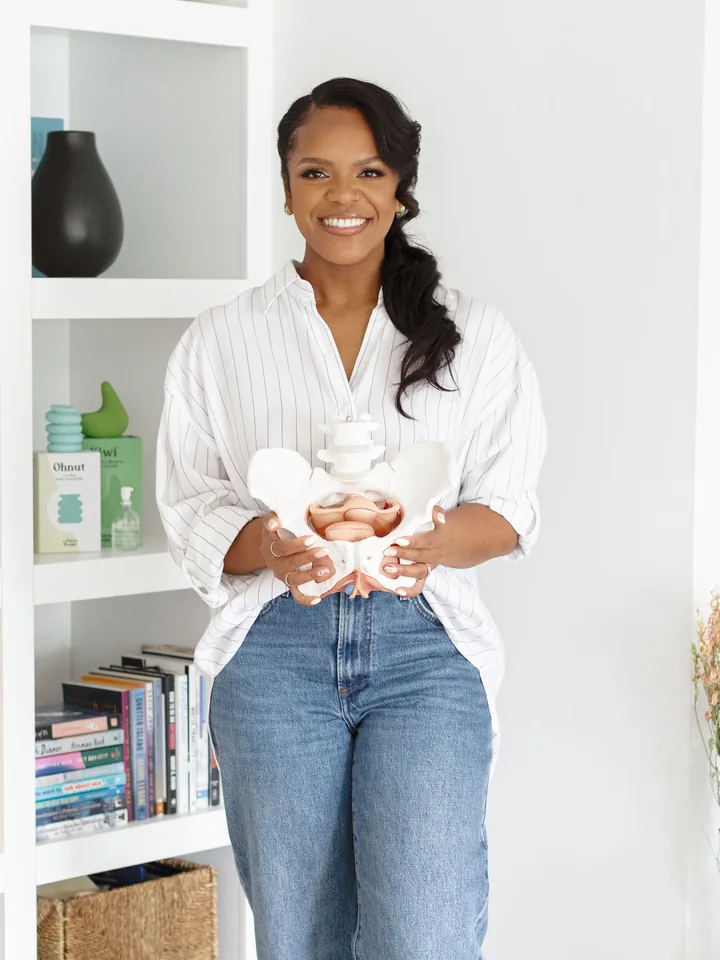
When I look back at my early days in pelvic health, I realize that my biggest strength wasn't in knowing every biomechanical detail: it was in listening.
I'm a certified trauma-informed pelvic health practitioner, a member of the Ordre des ergothérapeutes du Québec, and I also mentor other occupational therapists who want to integrate pelvic health into their practice.
Frequently asked questions
What people ask me before getting started.
Do you perform internal pelvic floor exams?
I don’t perform internal pelvic floor assessments. My approach focuses on understanding how your symptoms affect your daily life, including your breathing, movement, habits, and nervous system. If an internal assessment would be helpful for your care, I can connect you with another trusted pelvic floor therapist.
Will I have to talk about my intimate life?
Only if you want to. You choose what we talk about, and when. My approach is trauma-informed: your safety and your pace come first.
How long is a session?
Usually 60 minutes, for the first assessment and follow-ups alike. If you'd rather meet online, that's possible upon request.
Is it covered by my insurance?
Not by RAMQ, but possibly by your private health insurance plan: check your coverage with your insurer. The details are at the bottom of the page, with my contact information.
I'm not sure occupational therapy can help me. What should I do?
Book the free 15-minute call: that's what it's for. Together, we look at your challenges, your goals, and the next steps.

Make an appointment
Let's start with a free 15-minute call.

Karina JacksonI'm the one who answers, in English or French.
To better understand how occupational therapy can help you, before a first appointment. During this call, we will discuss:
- your specific challenges and goals
- what the assessment entails
- possible treatment options
- any other concerns you may have
- the next steps
Montréal, Quebec H3J 1R4
Directions in Google Maps
HoursView availability on GoRendez. Other times available upon request.
Services provided through my private practice are not covered by RAMQ. However, occupational therapy may be covered by private health insurance plans. Check with your insurance provider to confirm your coverage and reimbursement limits.